Stay Hydrated but Manage Fluid Intake During Pregnancy
Staying properly hydrated is essential during pregnancy, as your body needs more water to support both your health and the development of your baby. However, managing your fluid intake — especially as your pregnancy progresses — is equally important to avoid discomfort, frequent bathroom trips at night, and swelling. Here’s how to strike the right balance between staying hydrated and managing your fluid intake during pregnancy.
Why Hydration is Important During Pregnancy
During pregnancy, your body goes through significant changes, including an increase in blood volume, the production of amniotic fluid, and the need for more fluids to support your baby’s growth. Proper hydration ensures that your body can maintain these vital functions, and it offers several benefits: Helps with Nutrient Delivery: Water helps transport nutrients through the blood to your baby, supporting fetal development. Reduces Swelling: Drinking enough water can help prevent or reduce pregnancy-related swelling, particularly in your legs, feet, and hands. Aids in Digestion: Staying hydrated can help prevent constipation and promote healthy digestion, which can be a common issue during pregnancy. Prevents Overheating:Water helps regulate your body temperature, keeping you cool and preventing overheating, especially in warm weather or after physical activity.
The general recommendation for pregnant women is to drink about 8–10 cups (64–80 ounces) of water per day, but this can vary depending on your activity level, climate, and specific health needs. However, as important as it is to stay hydrated, it’s also necessary to manage when and how much fluid you consume to avoid disruptions to your daily routine and sleep.
Managing Fluid Intake While staying hydrated is essential, drinking too much water at the wrong times — especially in the evening — can lead to frequent trips to the bathroom, disrupted sleep, and bloating. Here are some tips to help you manage your fluid intake while ensuring you stay properly hydrated.
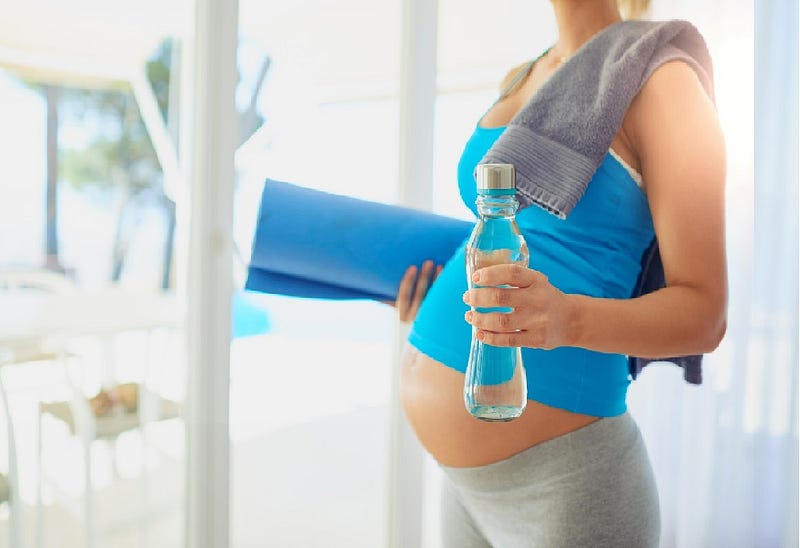
Drink Water Throughout the Day One of the best ways to stay hydrated without overloading your system is to sip water consistently throughout the day. By spreading your fluid intake over the day, you’ll help your body maintain optimal hydration levels without needing to drink large amounts all at once.
Tip: Keep a water bottle with you during the day and take small sips regularly, rather than drinking large amounts at mealtimes or right before bed. Reduce Fluid Intake in the Evening
As your pregnancy progresses, you may find yourself needing to urinate more frequently due to the pressure your growing uterus places on your bladder. To minimize nighttime bathroom trips, try to limit your fluid intake in an hour or two before bed.
Tip: Drink the majority of your daily water earlier in the day and cut back on fluids after dinner to prevent frequent interruptions to your sleep. Balance Hydration with Nutrient-Rich Fluids
In addition to water, you can stay hydrated by consuming nutrient-rich fluids like milk, natural fruit juices, and herbal teas. These drinks not only contribute to your hydration but also provide essential vitamins and minerals that are important for your baby’s development. Milk: Provides calcium and vitamin D, which support healthy bone development. Fruit Juices:Offer a boost of vitamins like vitamin C, though it’s best to choose juices with no added sugar and drink them in moderation. Herbal Teas: Caffeine-free herbal teas like ginger or chamomile can help with hydration and have calming effects, though be sure to consult your doctor about which herbal teas are safe for pregnancy.
Tip:Avoid drinks with added sugars or caffeine, as these can contribute to dehydration and have other side effects like increased heart rate or indigestion. Watch for Signs of Dehydration
It’s important to be aware of the signs of dehydration during pregnancy, as it can lead to complications like headaches, dizziness, and even preterm labor in severe cases. Common signs of dehydration include: - Dark yellow urine - Dry mouth or throat - Feeling lightheaded or dizzy - Fatigue or muscle cramps If you notice any of these symptoms, increase your water intake immediately and consult your doctor if symptoms persist.
Eat Hydrating Foods Another great way to stay hydrated without overloading on fluids is to include water-rich foods in your diet. Many fruits and vegetables have a high water content and can help keep you hydrated throughout the day. Watermelon: Contains over 90% water and is a refreshing snack. Cucumbers: Also high in water content and low in calories. Strawberries and Citrus Fruits: Packed with both hydration and vitamins like vitamin C. Incorporating these hydrating foods into your meals and snacks can help you maintain optimal hydration levels while offering additional nutrients that are beneficial during pregnancy.
Monitor Your Salt Intake High salt intake can lead to water retention and swelling during pregnancy. To help your body maintain a healthy fluid balance, try to limit your consumption of salty foods like processed snacks, fast food, and canned soups. Tip: Opt for fresh, whole foods and season your meals with herbs and spices instead of relying on salt to enhance flavor.
Final Thoughts Staying hydrated during pregnancy is crucial for both your health and your baby’s development, but managing your fluid intake is just as important to avoid discomfort and disrupted sleep. By sipping water throughout the day, reducing fluid intake in the evening, and incorporating hydrating foods into your diet, you can maintain the right balance. Pay attention to your body’s signals, adjust your water intake as needed, and enjoy the benefits of staying well-hydrated during this special time in your life.


Comments
Post a Comment